Changing the Way a Community Leads
From raising chickens to combat food insecurity to confronting addiction and protecting forests, Leonard is helping chiefs turn leadership into action.
Malawi
75%
Of Malawi's population live below the $3/day international poverty line
84.4%
Of Malawi's population are without access to electricity
5.7 Million
Of Malawi's population are facing acute hunger
2.5 Million
Of Malawi's population devastated by land slides and flooding
Across Africa, extraordinary leaders have bold visions for their communities. But big visions require more than determination. They require resources, expertise, relationships, and support.
Too many leaders are navigating enormous barriers without the backing they need to move forward.
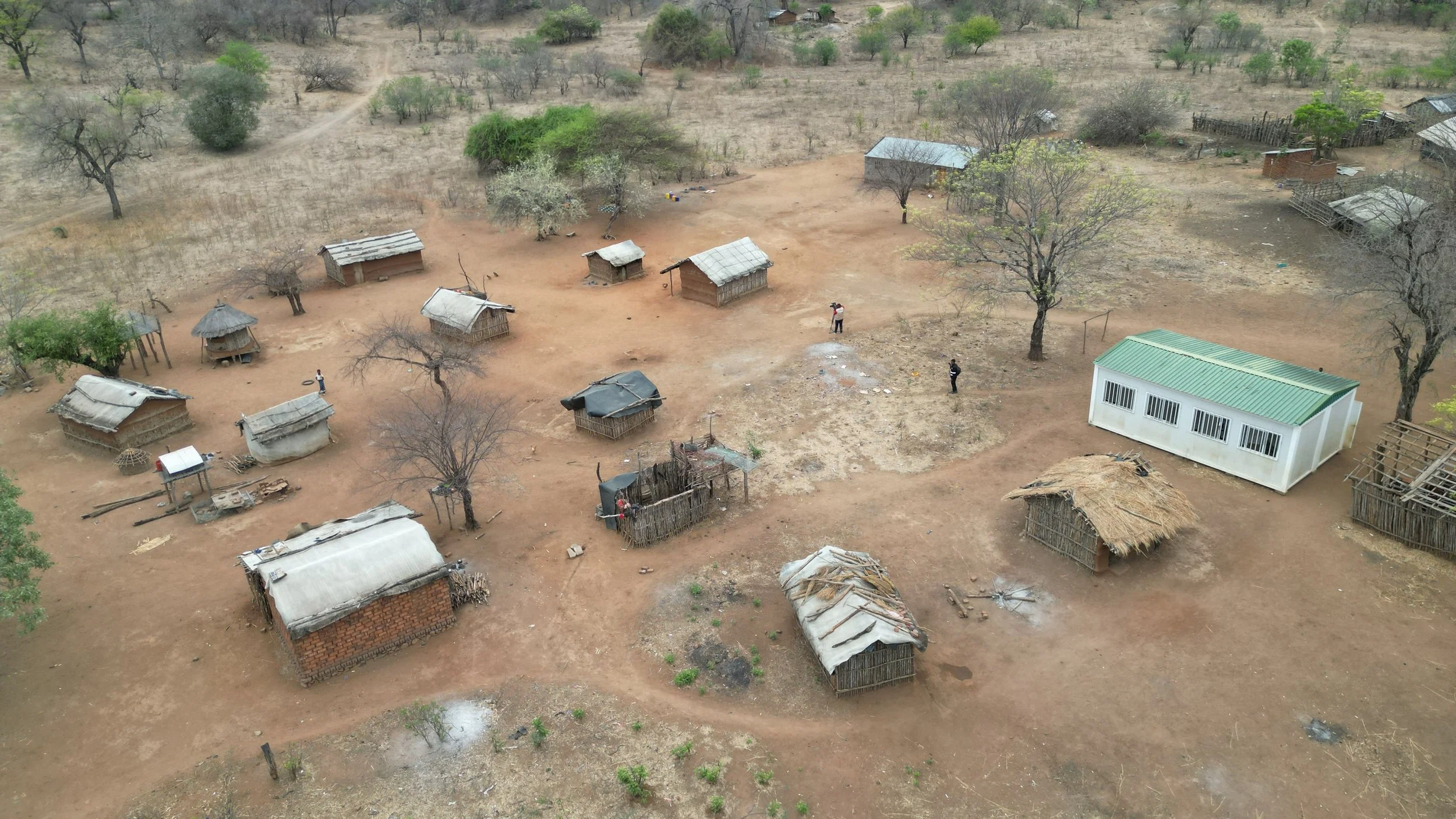
Nicknamed the “warm heart of Africa” Malawi is a beautiful country bordering Mozambique, Tanzania, and Zambia. However, this nation is facing enormous challenges. From blackouts that last for days, to waiting in line for fuel for 8 hours, to food insecurity, the people of Malawi know what hard looks like.
So what needs to change?
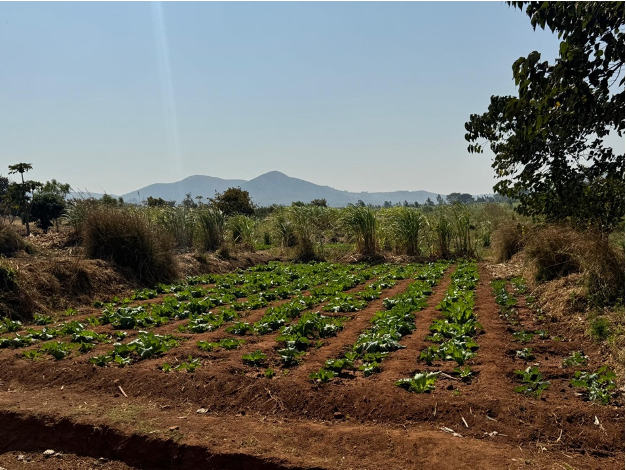
Leonard Chipanga has been with African Leadership for years. He has established prison ministries around Malawi, regenerative farming to support local communities, helped start an orphanage, and now focuses his time on developing local leaders and pastors through training programs. He has great vision for his country.
“For too long, familiar ways of thinking have kept communities here from moving forward. I want to see communities transformed from the inside out - where people come to know Jesus, renew their mindsets, and begin to see new possibilities for their future. I believe lasting change begins when people are willing to change the way they think, live, and lead.”
African Leadership came alongside of him with one on one coaching, access to funding, and a community of like-minded leaders to support him. Through this process, Leonard created a strategy:
“If you want to see lasting change in a community, you have to bring its most influential leaders together.”
Leonard’s approach began with listening. As he met with graduates of his programs, he learned that even committed pastors faced barriers to serving their communities. In rural areas, chiefs were hesitant to welcome churches, fearing that their influence and authority would be threatened. Pastors and chiefs - two of the most influential forces in community life - often worked against each other instead of alongside one another.
Leonard began asking “what might happen if that changed.”
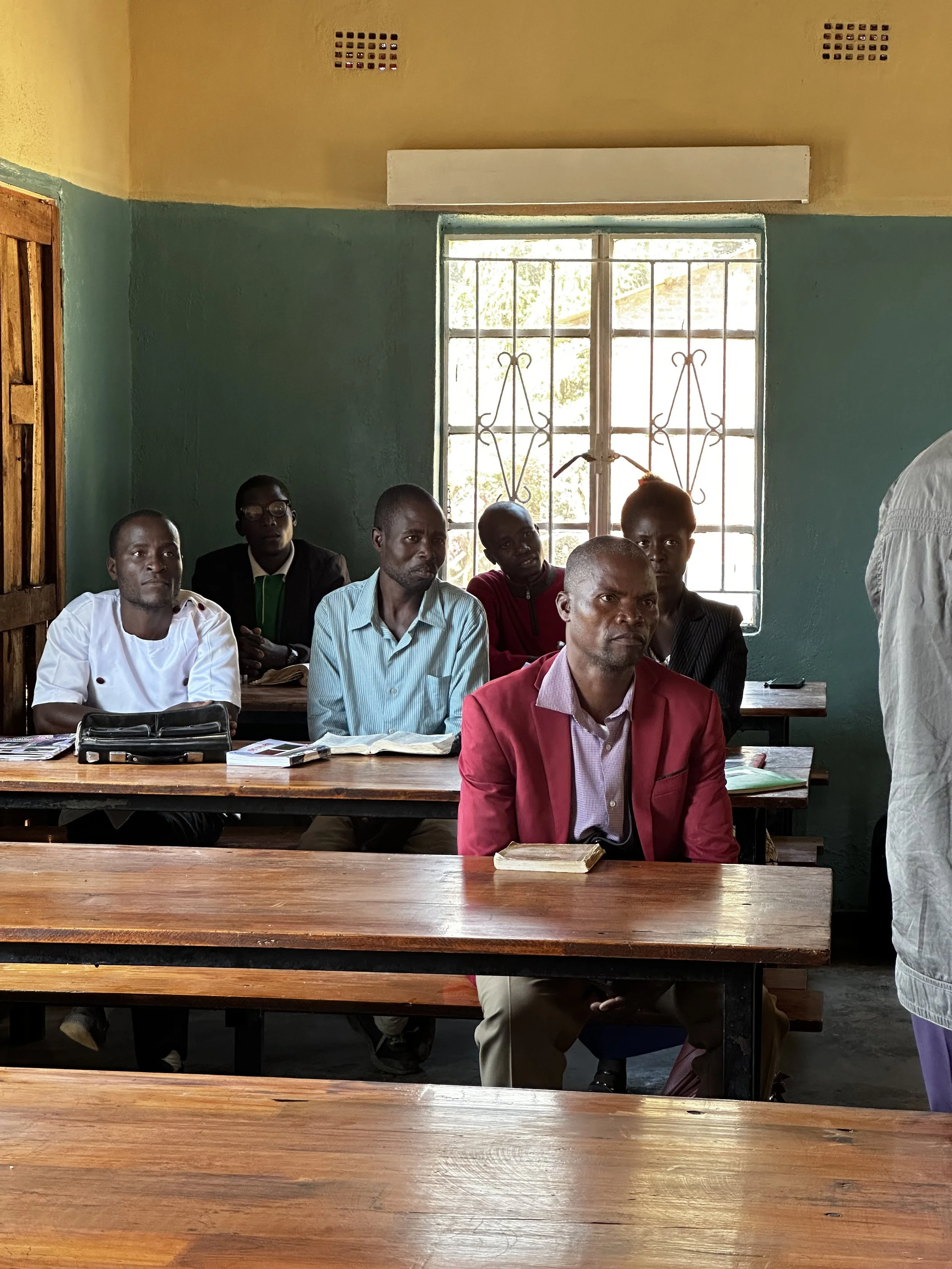
He saw an opportunity to bring traditional chiefs into the leadership training, too. By training both groups, he hoped to build trust, bridge misunderstandings, and help them recognize how their leadership could complement one another for the good of their people.
Then he saw the impact firsthand. One chief experienced such significant change in his own life and leadership that other chiefs began asking to follow his example. What started with one interested chief grew into an opportunity to equip more traditional leaders.
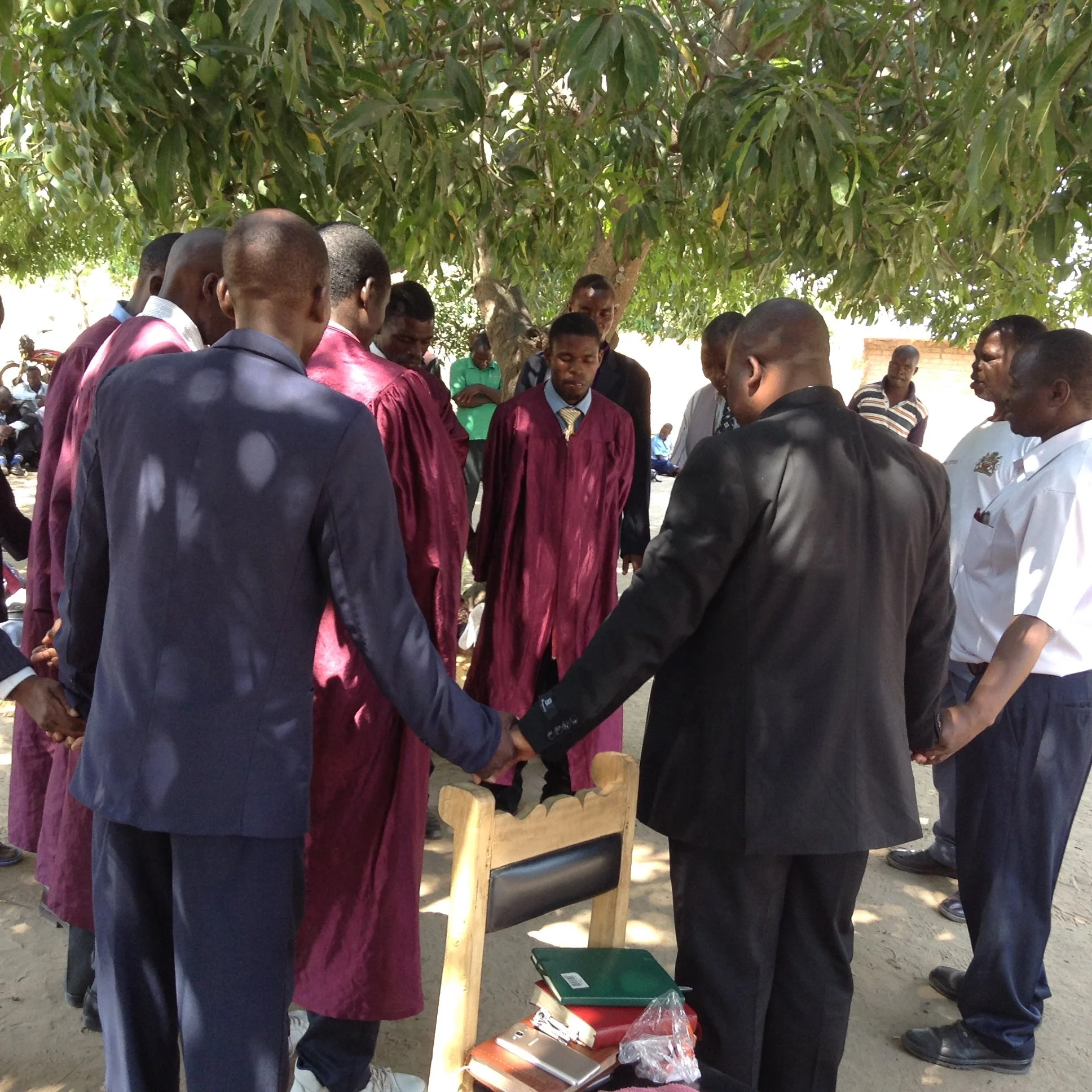
Today, Leonard is building relationships between chiefs and pastors so they can move beyond competition and work toward a shared vision for their communities. And the impact has been extraordinary.
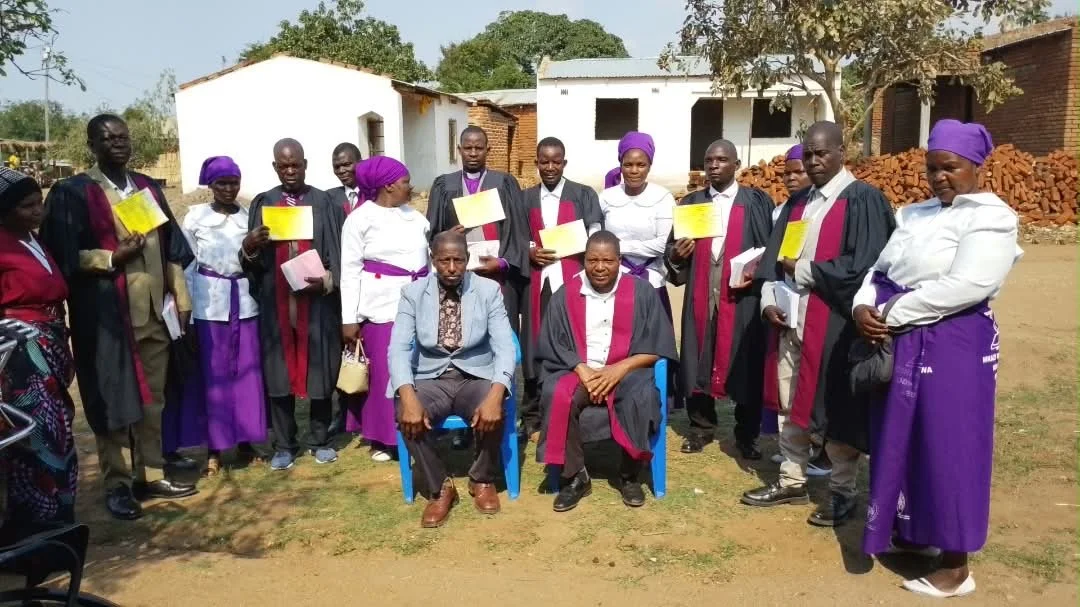
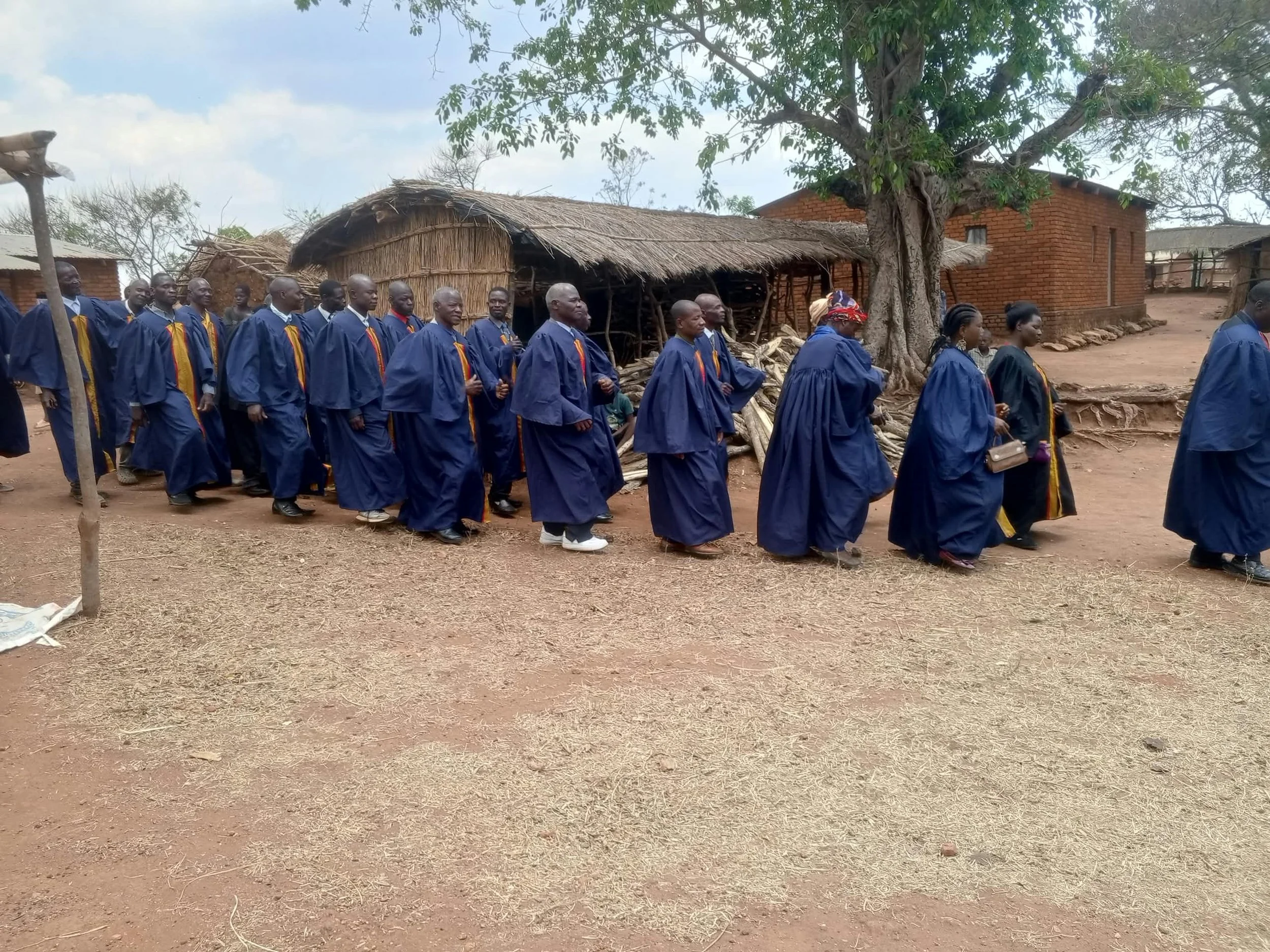
Justice: Making Decisions That Serve Everyone
In their training, chiefs began discussing what justice and equality mean in everyday community life. They considered how favoritism and discrimination undermine trust, and why leaders must make decisions that serve their people fairly rather than benefit a select few.
For Leonard, this is foundational. A community cannot experience true unity when people believe decisions are being made unfairly. He wants chiefs to lead with integrity, judge with a clear conscience, and recognize that their authority carries a responsibility to every person in their community.
Self-Reliance: Food Security through Chickens
Leonard also challenged the chiefs to think about community development. If they wanted their people to become more self-reliant, where should that change begin? With the leaders themselves.
The chiefs began raising chickens together. Each contributed two chickens, and the group chose someone to care for them. Through this practical initiative, they could learn cooperation, share responsibility, and explore a way of generating resources that they could potentially introduce to their own communities.
The goal wasn't just to raise poultry. It was to show that progress can begin with having an idea, taking an action, sharing a resource, and encourage others to do it for themselves.
The chiefs began asking for more. They expressed a desire to continue learning and to embrace self-reliance in their communities. For Leonard, hearing that commitment come directly from the chiefs was an encouraging sign that the vision was taking root.
Stewardship: Fighting climate change at the local level
During another class, a discussion about conservation prompted the chiefs to consider a mountain near where they were meeting. People had been cutting down its trees with no restrictions, raising concerns about the effects on the land, rainfall, and the risk of flooding.
The chiefs began to recognize their own responsibility. If they allowed the mountain to be depleted, their communities could face deadly consequenses.
So they moved from conversation to action. They worked to establish restrictions on cutting trees from the mountain, including penalties for violations. Other chiefs in the surrounding area joined the effort and adopted similar measures.
Leonard reports that the mountain is now recovering. What began as a classroom discussion became a shared commitment to protect a resource their communities depend on - and to consider the needs of future generations.
Health: Fighting Addiction
Local chiefs are using their influence to confront addiction and the harm it causes in their communities. Through stronger, more intentional leadership, they are challenging the norms that allow excessive drinking to take hold, setting boundaries around alcohol sales and consumption, and encouraging people toward healthier ways of living.
Chief Zuze, for example, began regulating drinking hours and has seen the number of local drinking joints decline. Alongside efforts to strengthen churches, promote justice, and build community unity, these chiefs are working toward villages where people can break harmful cycles, families can thrive, and the next generation has a different future.
Transformation: Finding a New Way
As traditional chiefs encounter Christ, they're beginning to rethink what it means to lead. Their understanding of authority is shifting from power and position to service, humility, justice, and responsibility for the people they influence. And as their faith transforms the way they lead, that change has the potential to reach far beyond them, shaping families, strengthening communities, and influencing generations to come.